
Domestic Abuse in Gay Relationships
This is not just a subjective problem that I am seeing; domestic abuse is an increasingly important topic to broach with your patients and for yourself if you are suffering from any form of abuse (emotional, physical, financial, or stalking).
For any providers that are reading this, please make it a point to address safety in your patients household on all visits. Simply asking “How is it going at home?” is enough to get the conversation started. It is your job as a healthcare professional to help your patients in any way possible, especially when it comes to domestic violence and abuse.
According to the CDC:
- 26 percent of gay men and 37 percent of bisexual men experience rape, physical violence, or stalking by an intimate partner, compared to 29 percent of heterosexual men
- 40 percent of gay men and 47 percent of bisexual men have experienced sexual violence other than rape, compared to 21 percent of heterosexual men
That means that one out of every four gay men are raped or assaulted by an intimate partner, and almost two out of every four gay men have experienced some other form of sexual violence. More importantly, it is twice as common in the LGTBQ population as compared to the heterosexual population.
Even worse, these are reported statistics. This means that there are far more instances of abuse that are unreported due to victims fearing backlash from the perpetrator and even the repercussions of speaking out against their attackers from people in their community. Men are two times as likely to NOT report a form of abuse as compared to women.
Often times men are written off as being impervious to sexual assault, and this is frankly just as preposterous as telling a female rape victim that her outfit was too salacious as she was simply “asking for it”. Rape, sexual assault, and domestic partner violence can happen to anyone. I myself am a survivor of these acts and I am here to help support you all through this journey.
The first hurdle in overcoming abuse is first admitting that there has been abuse of any kind. Your doctor is a great place to start! We have at our fingertips resources such as therapists, psychiatrists, outreach groups, and housing shelters to help you start your journey to acceptance with what has happened to you.
Most importantly, if you are in a dangerous situation you need to get out of it. If you feel that you are not safe at home, you need to tell someone so that they can help you place yourself into a safer environment. This is most often the hardest step, as there could be joint housing, finances, and even children that make you feel like you are unable to separate yourself from the situation. Do not let these obstacles stop you from protecting yourself.

As a survivor myself, I know that it personally it took more than one friend telling me that the abuse I suffered was unacceptable until I finally decided to end my abusive relationship. Every single person is entitled and worthy of a relationship where they feel safe.
If you are financially unable to afford housing, or house with a friend or loved one here is a link to for Hudson County shelters. Most of them are only available for women or children of abuse, but there are many that are accessible for men as well.
800.656.HOPE (4673) National Abuse Hotline Available 24/7
1 (800) 572-SAFE (7233) NJ Abuse Hotline Available 24/7
24/7 access online at www.online.rainn.org
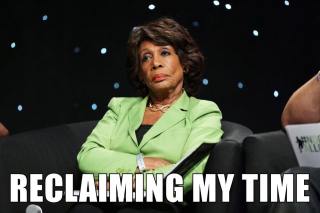
In the famous words of Senator Maxine Waters: RECLAIM YOUR TIME.


 Dr. Jack O'Brien